
How to Treat Seasonal Allergies: Symptoms, Remedies, and Prevention
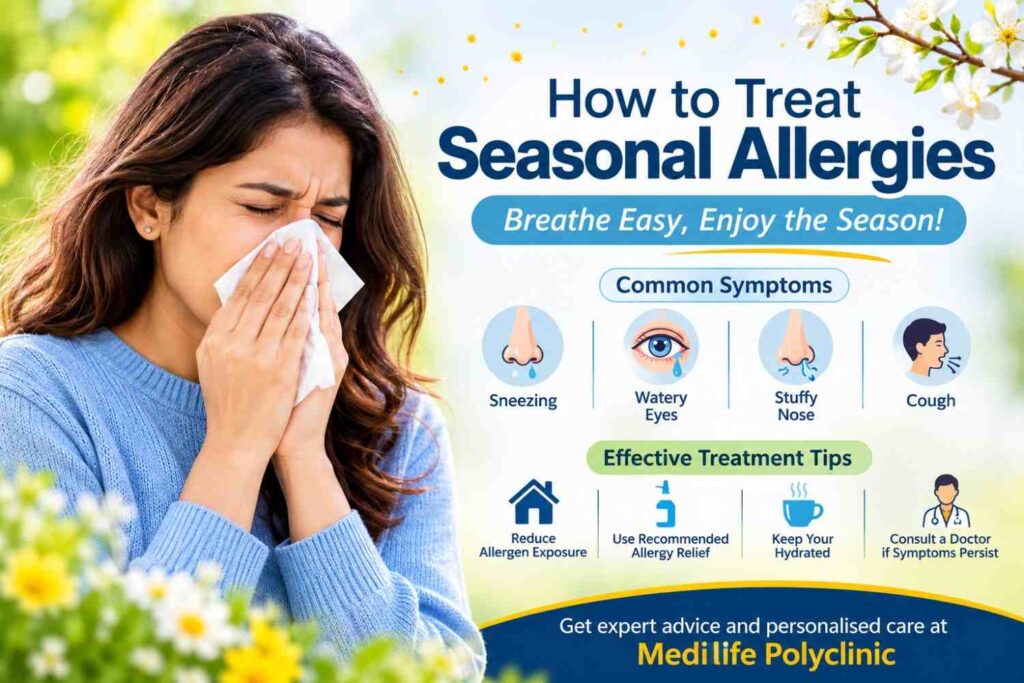
Seasonal allergies can cause a lot of discomfort and trouble with symptoms such as itchy eyes, runny nose, sneezing and nasal congestion. These symptoms occur when the immune system has an overreactive response to the presence of allergens such as pollen, dust, mold or other small particles in the air. Although seasonal allergies are very common, they can affect your ability to get quality sleep, go about your day and be productive at work if left unmanaged.
Learning how to manage seasonal allergies will help you address your symptoms and have better control of your daily activities. Medilife Polyclinic provides patients with the opportunity to get medical help in understanding their symptoms better and explore available treatment options.
Useful link: allergy test in Al Quoz
Key Takeaways: Managing Seasonal Allergies
Identify and avoid common allergy triggers.
Keep your home clean to reduce indoor allergens.
Use saline nasal sprays to help clear nasal passages.
Take allergy medications only as recommended by a healthcare professional.
Consult a doctor if symptoms persist or affect your daily activities.
Early identification and appropriate treatment can help you manage seasonal allergies and improve your quality of life.
What Are Seasonal Allergies?
Seasonal allergies (seasonal allergic rhinitis or hay fever) occur due to an overactive immune system reacting to certain environmental triggers. If you suffer from an allergy and come into contact with a trigger, a response will occur in your body causing chemicals such as histamine to be released, leading to inflammation and allergy symptoms.
Common triggers include:
- Pollen—Pollen is released from trees, grasses, and weeds.
- Dust—Dust and dust mites can cause allergy symptoms.
- Mould Spores—Mould can grow in damp places and produce spores that can become airborne.
- Outdoor Allergens—Particles and environmental irritants can cause aggravating symptoms.
In the UAE (including Dubai), airborne dust and environmental irritants can cause issues with your nose and eyes. Not every sneeze or congestion will be down to allergies, so it is best to speak to a medical professional to determine what is most likely causing your symptoms.
Common symptoms of seasonal allergies
Symptoms can be managed by identifying symptoms early.
Common symptoms include:
- Sneezing
- Nasal discharge/congestion
- Itching in the nose and throat
- Watery, bloodshot and itchy eyes
- Postnasal drip
- Cough caused by postnasal drip
- Loss of smell
- Difficulty sleeping due to congestion.
The severity of your symptoms will depend on what you are allergic to, how sensitive you are, and how long you have been exposed to the allergen.
If symptoms last or impact your daily life, please seek advice from a healthcare professional.
Also like to read, Antibody Test Dubai
Common symptoms of seasonal allergies
Symptoms can be managed by identifying symptoms early.
Common symptoms include:
- Sneezing
- Nasal discharge/congestion
- Itching in the nose and throat
- Watery, bloodshot and itchy eyes
- Postnasal drip
- Cough caused by postnasal drip
- Loss of smell
- Difficulty sleeping due to congestion.
The severity of your symptoms will depend on what you are allergic to, how sensitive you are, and how long you have been exposed to the allergen.
If symptoms last or impact your daily life, please seek advice from a healthcare professional.
You may also like to read about the allergy test clinic Dubai
How to treat seasonal allergies
Different seasonal allergies have various symptoms. The methods of treating them are based on the type of symptoms. The following are some methods to help treat allergies.
1. Avoiding Common Allergens
This method requires people to avoid environments that trigger their allergies.
Here are some helpful tips:
Check your local pollen reports to see when the counts are highest and keep your windows closed during that time.
- Shower and change after spending time outdoors to remove pollens.
- Regularly clean your home to reduce dust.
- Wash bedding to remove dust.
- Avoid environments where symptoms worsen.While avoiding all allergens is difficult, reducing exposure can lessen your symptoms.
Explore more about can tourists get vaccines in dubai
2. Saline Nasal Sprays or Rinses
Nasal sprays/rinsing can help clear mucus, dust and other irritants from your nose. They can also help with dry and blocked noses.
When using a nasal rinse, always use distilled, sterile, or boiled then cooled water. You should follow the manufacturer’s instructions to clean the rinse equipment.
Whilst these will not relieve all causes of a blocked nose, they can be helpful in managing allergies.
3. Anti-histamines
Anti-histamines help reduce the effects of a chemical called histamine, which is associated with allergic reactions. Depending on the type of anti-histamine, you can help with:
- Sneezing
- Itchy nose and throat
- Runny nose
- Itchy and/or watery eyes
Some anti-histamines can make you feel sleepy. You should speak to your doctor/pharmacist about what is best for you. If you are taking other medications or have a pre-existing medical condition, this is even more important.
Children, pregnant individuals, and those who are breastfeeding should speak to a professional before taking any antihistamines.
4. Corticosteroid Nasal Sprays
If you are experiencing ongoing symptoms from nasal allergies, your healthcare professional may recommend using a nasal corticosteroid spray. These work by reducing inflammation in your nose. They can therefore help reduce blocked noses, sneezing, and runny/itchy noses.
Generally they will work best when used regularly. Some types may take a few days to give you the full benefit.
Always follow the instructions given with the product and speak to a healthcare professional to ensure you know how to use them correctly. Using decongestant sprays (not the same as corticosteroid sprays) for a long period of time can actually make your congestion worse.
Also like to read, food allergy test dubai
5. Reduce Allergens in the Home
There are many common allergens in the home, such as dust mites and mold.
You can make your home more comfortable by:
- Using a vacuum with the correct filter
- Keeping your rooms clean to prevent the buildup of dust
- Ensure there are no damp issues and visible mold.
- Washing your bedding regularly.
- Using an air purifier with a HEPA filter where appropriate.
- Keeping your air conditioning clean and replacing filters as recommended by the manufacturer.
- This can be especially helpful if you are experiencing frequent symptoms whilst in the home.
6. Find Out What You Are Allergic To
If you are still experiencing symptoms despite taking simple precautions, it can be useful to find out what you are allergic to.
Your healthcare professional may go through your symptoms, medical history, exposure and family history of allergies. They may consider undertaking allergy tests.
Not everyone will require allergy tests, however they can be helpful if you are unsure of your diagnosis or struggling to manage your symptoms.
Also like to read the top five reasons to have regular blood tests
7. Long Term Treatments
If you are suffering with severe, ongoing or difficult to manage seasonal allergies, your doctor may discuss further treatments.
Allergen immunotherapy may be considered for certain patients who have been diagnosed with allergies. This works by slowly exposing your immune system to particular allergens so that over time you become less sensitive to them.
Immunotherapy is not suitable for everyone and should be discussed on an individual basis with a qualified healthcare professional.
How To Prevent Seasonal Allergies
Whilst it isn’t always possible to prevent seasonal allergies, there are certain behaviors you can do to reduce how often they occur.
Tips to help you prevent seasonal allergies include:
- Keep an eye on the weather and air quality.
- Try to limit any time outside when there are high levels of dust/pollen.
- Wear appropriate glasses outside.
- Wash your face and hands.
- Keep your indoor areas clean.
- Don’t smoke or be around smoke.
- Take your allergy medication as prescribed.
If your symptoms begin to get worse or happen more frequently then seek medical advice.
It is important to be consistent. If you know what is causing your allergies and have an appropriate management plan, then you will find it easier to manage your symptoms.
Also like to read blood test for fever
When to See a Doctor for Seasonal Allergies?
If you have mild symptoms of allergies then avoiding the trigger and taking the correct over the counter medication may help. However, if you continue to have symptoms despite taking the correct medications then you should seek medical advice.
- If you are regularly having trouble sleeping due to nasal congestion.
- Having regular issues with your sinuses.
- Your allergies are impacting your work or daily activities.
- You are having wheezing or your asthma symptoms are getting worse.
- You aren’t sure if your symptoms are caused by allergies or something else.
If you are struggling to breathe, have significant swelling in your throat/tongue or are feeling faint, then you should seek urgent medical attention. This could be a sign of a serious medical emergency.
How Medilife Polyclinic Can Help
If you’re suffering from recurring allergy symptoms, we can help. Our Medilife Polyclinic team in Al Quoz, Dubai, can provide you with the support of a healthcare professional who can talk to you about your symptoms. This includes persistent nasal symptoms, sneezing, congestion, and anything else you may be suffering from due to allergies.
They can assess your symptoms and identify what might be triggering them. They’ll then be able to suggest the right treatment for you.
If you’re suffering from regular symptoms and want to understand how to treat your seasonal allergies, we’d recommend speaking to a medical professional so you can make the best decisions.
Contact Medilife Polyclinic to learn more about available consultation services.
Explore more about the top five reasons to have regular blood tests
Clinic: Medilife Polyclinic LLC
Location: Al Ameed Plaza, Al Quoz 4, Dubai, UAE
Phone: +971 52 629 5999
Email: info@medilifepolyclinic.com
Website: medilifepolyclinic.com
FAQ
Limiting exposure to the allergen, keeping areas clean, washing your face and hands after being outside and using salt water nasal washes with safe water can help relieve symptoms. However, if symptoms are persistent then you may need to seek medical treatment.
Depending on your symptoms and medical history, antihistamines may relieve some of your symptoms such as sneezing and itchiness. Corticosteroid nasal sprays can also be effective for persistent nasal symptoms. Speak to a healthcare professional or pharmacist about what would be best.
Depending on the allergen, how much exposure there is and how sensitive you are, symptoms can last for several weeks. If your symptoms are due to an allergen inside then they can last all year round.