
IV for Dehydration: A Complete Guide to Fast Rehydration
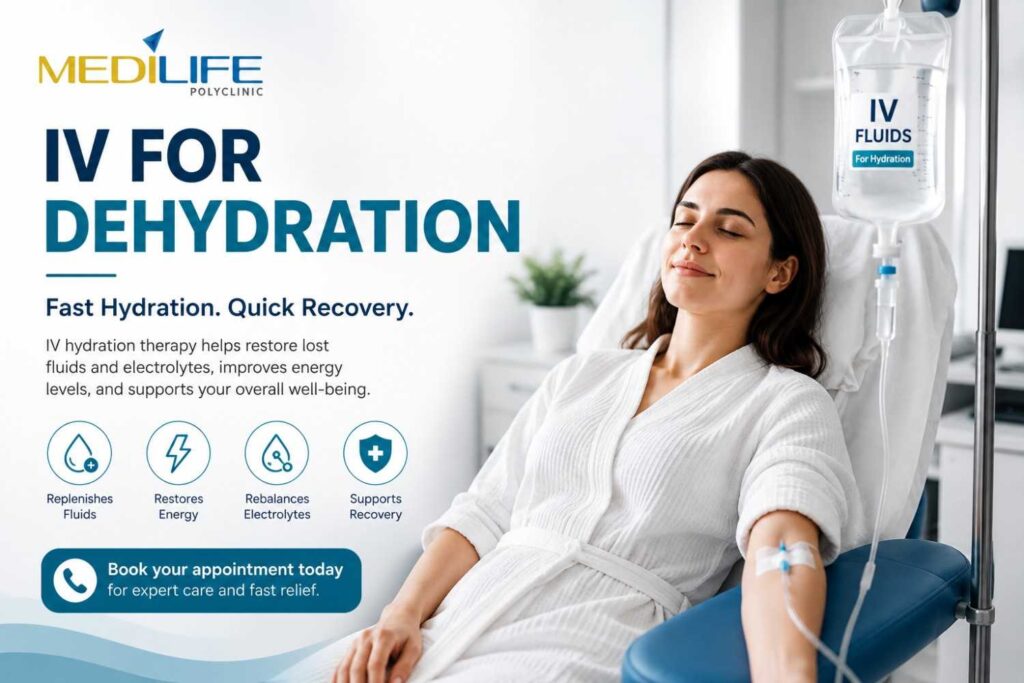
Dehydration is when the body’s fluids are drained more than it is able to absorb. This imbalance could alter the level of energy, blood pressure, body temperature, as well as the functioning of the organs. Although mild dehydration may be controlled by drinking plenty of water or consuming oral rehydration remedies However, severe to moderate dehydration might necessitate an intravenous (IV) fluid treatment to speed up and ensure better recovery.
An IV treatment for dehydration provides electrolytes and fluids directly into the bloodstream, allowing you to absorb these instantly. This is a common treatment for those who can’t drink enough fluids due vomiting or diarrhea, illness as well as heat exhaustion following medical procedures.
Discover how IV drip therapy in Al Quoz helps improve hydration, energy, and overall wellness.
What is dehydration and why can it be serious?
The body suffers from dehydration in the event that it’s not able to get enough fluids and water to work effectively. Water is the main factor in moving the body’s nutrients as well as controlling blood pressure, aiding digestion and enabling your kidneys to eliminate toxic substances. The body begins to struggle when the fluid levels are low. In the absence of intervention, dehydration may cause fatigue and headaches. Severe dehydration can cause your blood pressure to drop too low.
If the dehydration continues and continues to worsen, serious health issues can develop, including kidney problems, hypotension and confusion.
Seniors and those with chronic diseases are at risk of dehydration. In certain cases, dehydration could be life-threatening if it is not addressed immediately. It may also require emergency medical attention.
Patients following medically supervised wellness programs can also explore IV Therapy for Weight Loss in Al Quoz.
Common Symptoms of Dehydration You Should Not Ignore
The signs of dehydration vary based on the severity. Knowing how to recognize the signs of dehydration early will stop it from becoming worse.
A few symptoms include:
- Dry lips and lips that break
- Do you feel thirsty?
- Dark yellow pee
- More Urination
- Feeling weak or tired
The more severe your dehydration gets the more serious the symptoms you experience. A sign of severe dehydration is an increase in heart rate, lightheadedness blurred vision, fainting eyes that are swollen and dilated, as well as lower blood pressure.
For some older patients dehydration can trigger an abrupt confusion or sleepiness. Thirst isn’t always the first sign of dehydration among older adults. If you notice one of the symptoms listed above, you should seek medical care.
Find out how IV therapy for weight loss can complement a healthy weight management plan.
Common Symptoms of Dehydration You Should Not Ignore
The signs of dehydration vary based on the severity. Knowing how to recognize the signs of dehydration early will stop it from becoming worse.
A few symptoms include:
- Dry lips and lips that break
- Do you feel thirsty?
- Dark yellow pee
- More Urination
- Feeling weak or tired
The more severe your dehydration gets the more serious the symptoms you experience. A sign of severe dehydration is an increase in heart rate, lightheadedness blurred vision, fainting eyes that are swollen and dilated, as well as lower blood pressure.
For some older patients dehydration can trigger an abrupt confusion or sleepiness. Thirst isn’t always the first sign of dehydration among older adults. If you notice one of the symptoms listed above, you should seek medical care.
\Want to choose the right clinic? Read our guide on What are the top IV drip therapy providers in Dubai are to make an informed decision.
Causes of Dehydration in Adults and Elderly Patients
There are a variety of factors that can cause dehydration.
A few of them include:
- Stomach flu. If you’re feeling dizzy or have diarrhea, it is likely that you are.
- A fever or an infection.
- A lot of sweating in hot summer days.
- Drinking too little water.
- Diuretics are diuretics, as well as other drugs.
Seniors are at risk of dehydration since they are less thirsty with age. Other medical conditions, such as diabetes, can cause you shed more fluids that usual. In the case of short-term illness, it can result in the loss of your body’s water.
Learn more about iv drip for personalized hydration and wellness support.
How IV Therapy Helps Treat Dehydration?
Oral fluids might not always be enough or appropriate for treating dehydration. IV therapy to treat dehydration can work quicker and more efficiently than ingesting fluids orally. Intravenous therapy exactly is what it sounds like: fluids that are injected directly into veins via a tiny catheter.
Since they do not require digestibility, they are quickly absorbed. A typical dehydration IV drip is composed of saline, along with important electrolytes, like potassium and sodium. It replenishes the fluids within the body, assists in regulating blood pressure and balances electrolytes.
Doctors usually utilize IV fluids whenever dehydration is extremely severe. They quickly replenish the fluids the body has lost and avoid any problems. IV fluids are also helpful when you’re unable to keep down fluids due to sickness or nausea.
Discover the benefits of vitamin iv drip Dubai to help replenish essential vitamins and nutrients alongside hydration.
IV Therapy vs Oral Fluids for Dehydration
A treatment to treat mild dehydration typically requires drinking fluids or drinking ORS. Oral fluids must travel through your digestive tract before being taken up, which can take a while. IV therapy helps replenish fluids quicker because it directly enters the bloodstream. The quantity of fluids and kind of electrolytes can be precisely controlled by IV therapy. In this regard, intravenous hydration has become the best method to treat moderate to severe dehydration.
We often hear from patients who have studied treatment options and would like to know more about IV Therapy vs. oral supplements. Oral supplements are useful to keep you well-hydrated as well as providing nutrients, but they don’t provide fluids to your body as quickly as intravenous therapy does in emergencies.
Find out more about our comprehensive IV Drip Therapy in Al Quoz for hydration and nutrient replacement.
When Is IV Therapy Needed for Dehydration?
If dehydration is not treated with oral fluids IV fluids might be required. They include:
- The vomiting won’t stop.
- Acute weakness, or confusion
- Blood pressure is very low.
- Inability to drink fluids
- The obvious signs of severe dehydration
IV fluids to treat dehydration can aid in avoiding serious complications. A proper treatment will help you recuperate quickly. Your overall health and symptoms will be evaluated by a medical professional. They will determine the kind of treatments they think you should be receiving.
If you’re in search of an easy and convenient method to avail the services you need, IV Therapy at Home provides specialists who will visit you.
Is IV Therapy for Dehydration Safe?
IV dehydration treatments are safe when it is performed by certified healthcare experts. The procedure for IV drips begins by a doctor inserting the sterile line through a vein. They then taking care to give fluids, while ensuring you are under surveillance.
There are people who experience mild adverse effects, such as minor bruises or discomfort on the injection site. The risk of serious side effects is low when you follow the proper treatment procedure.
Heart or kidney disease must be closely monitored when receiving dehydration IV drips.
How Does IV Hydration Work?
The procedure is simple and is carried out under the supervision of a medical professional.
Step 1: Medical Assessment
Your healthcare professional will evaluate your medical history, symptoms as well as your hydration level and important indicators.
Step 2: IV Placement
A small IV catheter can be placed into a vein typically in the hand or arm.
Step 3: Fluid Administration
The IV fluids you are prescribed to take through your bloodstream during an amount of time that is determined by your medical health condition.
Step 4: Monitoring
Your doctor monitors your responses to ensure that you are receiving the safety and effectiveness of your hydration.
Support your body’s natural defenses with our immune boos iv drip, designed to complement recovery and overall wellness.
How to Prevent Dehydration
Prevention is often the most effective strategy.
- You can lower risks by
- Water consumption throughout the day
- Intensifying fluid intake in the summer heat
- Refilling fluids after exercise
- Treating diarrhea or vomiting promptly
- Beware of drinking too much alcohol.
- Monitoring hydration during illness
Looking for advanced wellness therapies? Learn how NAD+ IV Therapy supports cellular health and energy production.
Get Professional IV Hydration Treatment in Dubai
If you’re suffering from symptoms of dehydration, a prompt medical examination is essential. In Medilife Polyclinic Our healthcare experts examine your situation and suggest the best course of action according to your specific requirements. It doesn’t matter if dehydration is due to illness, heat exposure or loss of fluids, prompt IV hydration is a great way to restore electrolytes and fluids in a safe manner while under the supervision of a medical professional.
If your dehydration is connected with an illness that is underlying other diagnostic procedures like the analysis of urine can help pinpoint the root cause. There may be a need for supportive medical attention based on your overall health status.
Consult with Medilife Polyclinic for expert evaluation and a personalised treatment for dehydration.
If inflammation is contributing to your symptoms, explore our anti inflammatory iv drip treatment options.
Stay hydrated and recover faster with expert IV therapy at Medilife Polyclinic. Contact us today to book your consultation and receive personalized care.
Frequently Asked Questions
Treatment typically lasts approximately 30 minutes and one hour depending on the quantity of fluid you are prescribed and the medical condition you are suffering from.
For mild dehydration liquids, or oral solutions are usually adequate. In general, IV hydration is recommended when dehydration is moderate or extreme or if oral fluids can't be accepted.
Far far away, behind the word mountains, far from the countries Vokalia and Consonantia, there live the blind texts. Separated they live in Bookmarksgrove right at the coast
Most people feel only a small pinch when you insert the catheter. placed.
Patients suffering from certain kidney, heart or liver diseases might require a medical evaluation prior to receiving IV fluids.
Seek medical attention if you experience:
- The duration of severe vomiting or diarrhea is longer than 24 hours
- Inability to maintain fluid levels
- Affliction or confusion
- Rapid heartbeat
- No or minimal or no
- A high fever with symptoms of dehydration.
- Dehydration symptoms that are severe in older adults or children
- Medical treatment early can to avoid serious problems.